
Pathway to Gestational Diabetes Care Center
Understanding Gestational Diabetes
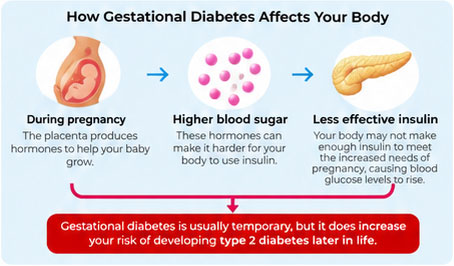
During pregnancy, hormonal, weight, and blood volume changes occur as a baby grows inside womb, which create stress on body and may make the body less responsive to insulin. Careful management of blood glucose levels, especially in last trimester, is important to support a healthy pregnancy and delivery. Although gestational diabetes usually goes away after childbirth, it increases the risk of developing type 2 diabetes later in life, making follow-up testing and ongoing care important.
Screening for Gestational Diabetes
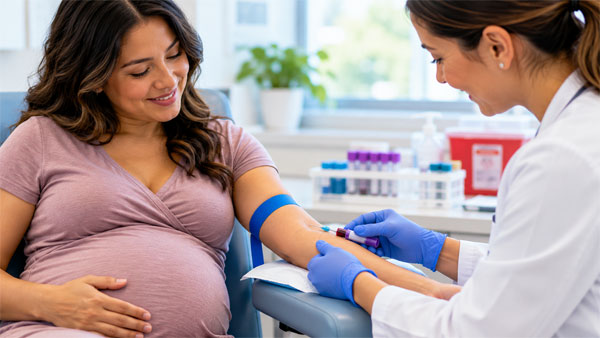
Screening takes place through a Glucose Tolerence Test between 24-28 weeks of pregnancy unless symptoms present sooner.
9% of pregnant women experience gestational diabetes.
Know Your Risk




Having a history of prediabetes




Common Symptoms
- Most often none
- Frequent urination
- Increased thirst
- Extremely tired
- Nausea
What You Can Do to Manage Gestational Diabetes
Management includes a personalized eating plan, safe physical activity, blood sugar monitoring, and insulin when needed to help protect both mother and baby.
Check out the pathway to managing gestational diabetes. Click on the icons to learn more about each step.
