
Are You at Risk for Prediabetes or Type 2 Diabetes?
Almost 50% of American are living with prediabetes or diabetes. 80% don’t know it.
What is Prediabetes?
Prediabetes is when your blood sugar levels are higher than normal. The numbers aren’t normal but they aren’t high enough to diagnose a person with type 2 diabetes.
The pancreas, which makes the hormone insulin, makes more insulin than usual to try and bring your blood sugars down. Insulin is responsible for carrying sugar from the bloodstream into the body’s cells to be used as energy. Sugar comes from the food people eat. Overtime, the pancreas may stop overproducing insulin and blood glucose levels may continue to rise eventually leading to type 2 diabetes.
What is Type 2 Diabetes?
Type 2 diabetes is a chronic disease resulting in high blood sugar or hyperglycemia. High blood glucose levels are a result of the body’s cells no longer being able to properly use sugar from the food we eat. Therefore, the sugar remains in the bloodstream resulting in high blood glucose levels. In type 2 diabetes, insulin resistance occurs; the body’s cells resist the insulin the pancreas is making. And, overtime less insulin is produced by the pancreas. Insulin is the hormone needed to carry glucose to the body’s cells for the cells to use as energy. Symptoms usually occur gradually and may include: blurred vision, fatigue, feeling hungry or thirsty, increased urination, slow healing cuts or sores, tingling or numbness in a person’s hands or feet.
What is an A1C Screening?
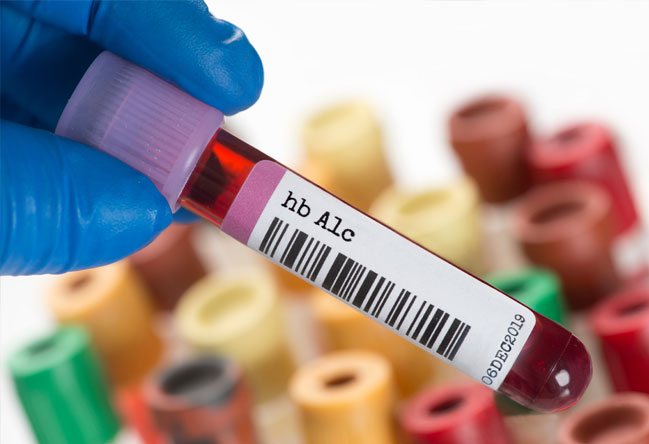
A hemoglobin A1C, HbA1c, glycated hemoglobin, or glycosylated hemoglobin screening reflects your average blood glucose (sugar) level over the past two to three months. The blood test measures how much sugar is attached to hemoglobin proteins in your bloodstream. People with higher blood glucose levels have more sugar attached to the hemoglobin resulting in a higher percentage. A normal HbA1c is considered 5.6% or lower. A person with prediabetes will have a HbA1c of 5.7-6.4% and a person with diabetes has 6.5% or higher.
Benefits of an A1C Screening

Find High Blood Sugar Early
Helps identify possible prediabetes or type 2 diabetes

Know Your Numbers
Shows your average blood sugar over the past 2-3 months

Take Action Sooner
Helps you and your healthcare provider decide on next steps

Track Diabetes Management
If you have diabetes, helps show how well your care plan is working
When to Get an A1C Screening
- Are age 35 or older.
- Are overweight, especially with another risk factor.
- Have a parent or sibling with type 2 diabetes.
- Had diabetes during pregnancy.
- Have high blood pressure or get little physical activity.
How it Works

No Fasting Needed
You can eat and drink normally before an A1C test
Blood Test
A small sample is taken from a finger prick or a blood draw from your arm.
Lab Analysis
The test measures sugar attached to hemoglobin, a protein in red blood cells.
Results
Your result is a percentage that shows your average blood sugar over the past 2-3 months.