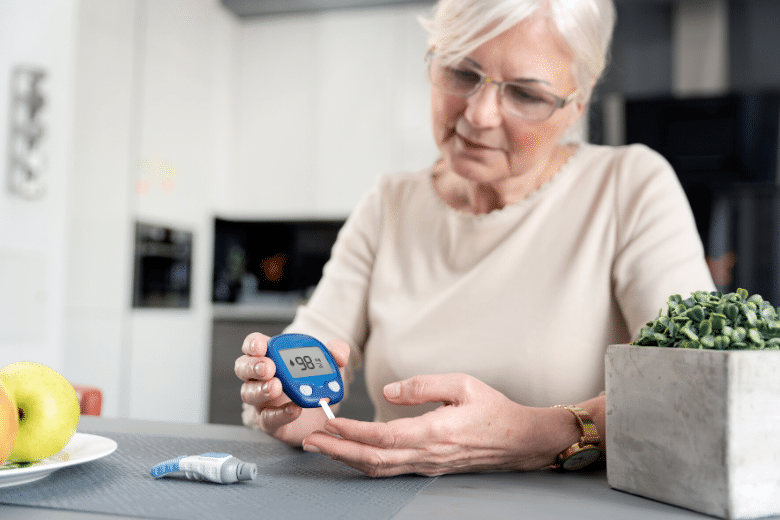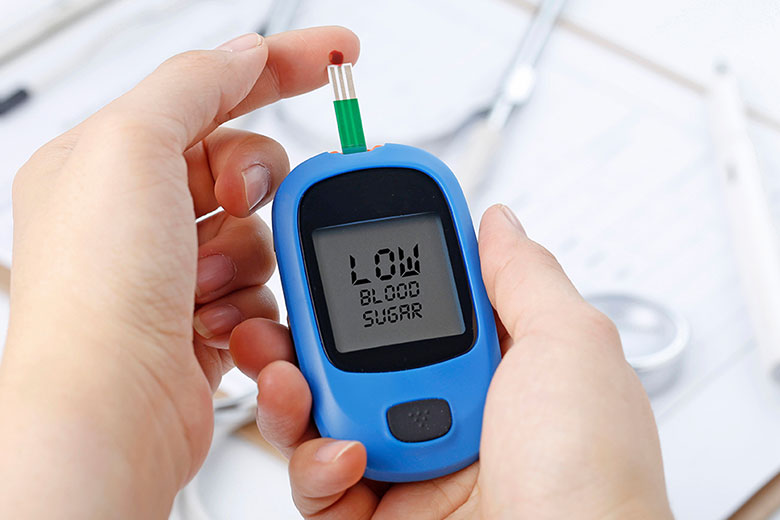
Problem Solving Highs and Lows
STEP 08 IN THE DIABETES MANAGEMENT PATHWAY
Recognizing your blood sugar changes, helps you to prevent emergencies and reduce the risk of long-term complications.
Problem solving allows you to make safe and effective decisions in response to the high and low fluctuations of your blood sugar.
When blood sugar levels are too high or too low can lead to serious complications. Over time, high blood sugar can damage blood vessels, nerves, and organs, while low blood sugar can cause immediate health emergencies.
MANAGING HIGHS AND LOWS BY TYPE OF DIABETES
Blood sugar changes can affect people differently depending on their type of diabetes and treatment plan.
Prediabetes
Blood sugar levels are higher than normal but not yet in the diabetes range. Understanding how food, physical activity, stress, and other factors affect your blood sugar can help you make healthy changes and reduce your risk of developing type 2 diabetes.
Type 2
Blood sugar can rise or fall depending on your medications, meals, activity, illness, and other factors. Recognizing patterns and understanding how to respond can help you stay within your target range and reduce the risk of complications.
Type 1
Because your body produces little or no insulin, blood sugar levels can change quickly. Regular glucose monitoring, understanding how insulin, food, and activity interact, and having a plan for treating highs and lows are essential parts of daily management.
Gestational
Pregnancy can affect how your body uses insulin and manages blood sugar. Monitoring your glucose, following your recommended meal plan, and working closely with your healthcare team can help keep blood sugar within your pregnancy-specific target range.
Practical skills help you respond to changes.
Practical skills can include
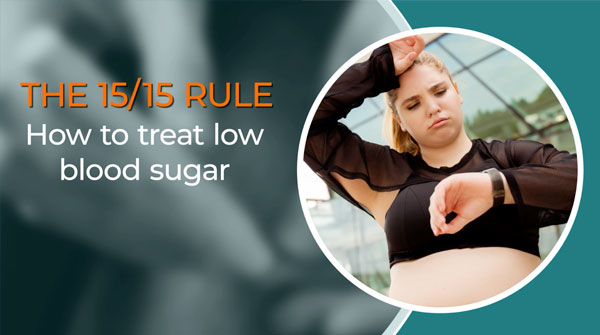
- Using the 15-15 rule,
- Being prepared for sick days,
- Carrying a go bag every time you leave your home
The goal is to develop and respond to unexpected changes with ease, confidence and the least interruption to your daily routine.
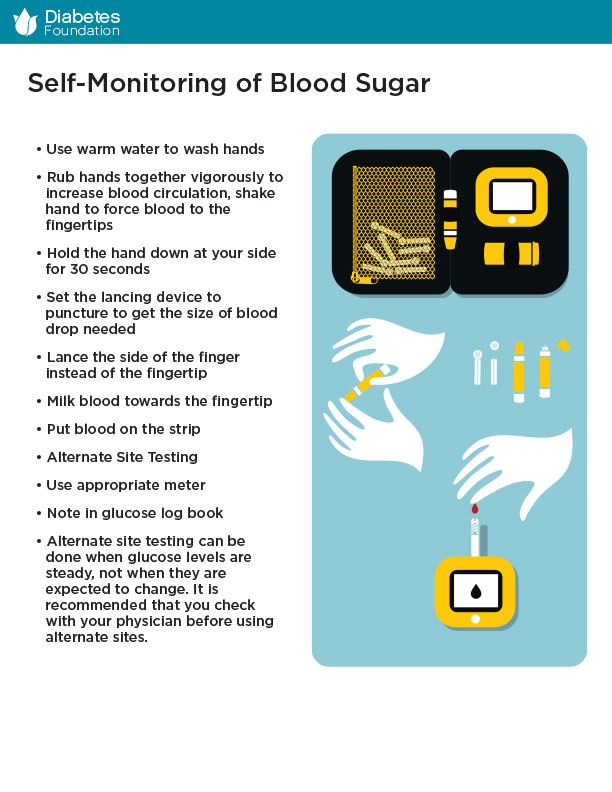
Start by recognizing how your body feels when your blood sugar is too high or too low. Learn how to check your levels, identify what may have caused the change, such as food, activity, medication, stress, or illness, and how to take action to bring your blood sugar back into your target range.
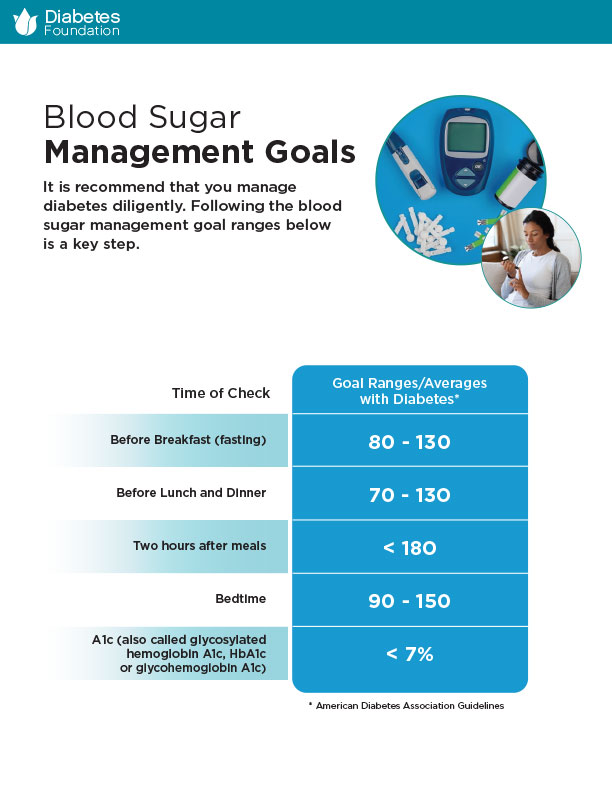
High blood sugar occurs when there is too much glucose in your bloodstream. Common symptoms include increased thirst, frequent urination, fatigue, and blurry vision.
High Blood Sugar (Hyperglycemia)
Low blood sugar generally means a glucose level below 70 mg/dL. Symptoms may include shakiness, sweating, hunger, dizziness, confusion, or a rapid heartbeat.
Low Blood Sugar (Hypoglycemia)
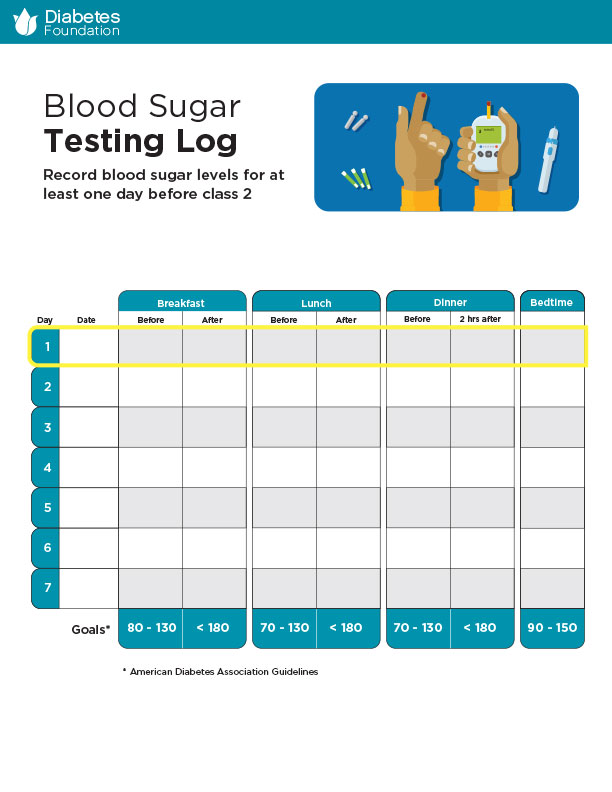
Looking at your blood sugar readings over time can help you understand how food, medications, activity, illness, and stress affect your glucose levels.
Recognizing Patterns & Triggers
Have a clear plan in place for responding to high and low blood sugar, including when to seek medical assistance.
Having a Plan & Knowing When to Get Help

Need Help?
If you need help understanding how to manage blood sugar highs and lows, the Diabetes Foundation can assist by providing you with free, live workshops, mentoring and resources.
To take the next step in your health journey, contact us today!